Introduction
Opening a bank account is often the first financial step a person takes. But with so many options available – from basic current accounts to packaged accounts with insurance – choosing the right one can feel overwhelming. Furthermore, many UK residents stick with the same bank for years, missing out on better features or switching incentives. This guide explains the main types of UK bank accounts, what features actually matter, and how to switch accounts safely using the Current Account Switch Service. No jargon, no product recommendations – just the framework you need to make an informed choice.
Based on rules as of August 2025. Always verify current rates with official sources.
Understanding the Main Types of UK Bank Accounts
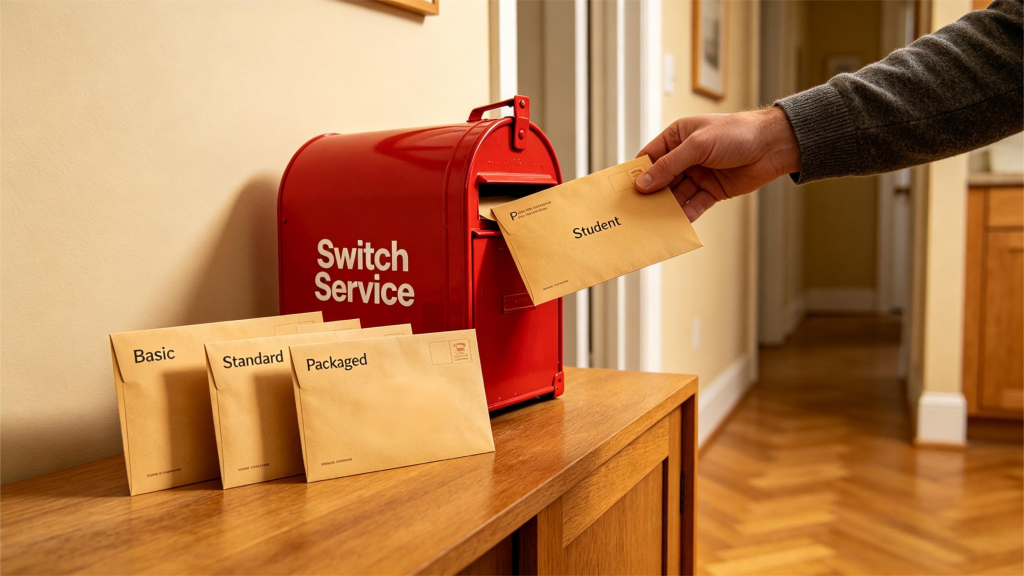
Most UK bank accounts fall into one of four categories. Understanding the differences helps you match an account to your actual needs.
Basic bank accounts are designed for people with poor credit history or those who cannot pass a credit check. They typically offer a debit card, Direct Debit facilities, and a branch or online banking. They do not include overdrafts. These accounts are often fee-free and serve as a reliable entry point.
Standard current accounts are the most common type. They include a debit card, online and mobile banking, Direct Debit and standing order capabilities, and often an arranged overdraft facility (subject to approval). Many are free, though some charge a monthly fee in exchange for extra features.
Packaged or premium accounts charge a monthly fee (typically £10–£25) and include add-ons such as mobile phone insurance, travel insurance, breakdown cover, or higher interest on small positive balances. These can be good value if you would otherwise buy those products separately – but they are often poor value if you do not use the benefits.
Student accounts are available to full-time students in higher education. They often offer an interest-free overdraft for the duration of your studies, plus small perks like a railcard or cash gift. These overdrafts typically convert to standard, interest-bearing overdrafts after graduation.
Features That Actually Matter (and Those That Do Not)
When comparing accounts, focus on features that affect your daily life or your costs.
Important features to consider:
- Monthly fees – if an account charges a fee, what do you get in return?
- Overdraft costs – what is the arranged overdraft interest rate? Are there unarranged overdraft fees?
- Branch access – do you need a local branch, or is online banking sufficient?
- App quality – does the bank offer a well-rated mobile app with spending insights?
- Customer service hours – can you get help on evenings or weekends?
- Switching incentives – some banks offer cash or other rewards for switching to them.
Features that often sound better than they are:
- High interest on balances – many accounts pay very low interest (0.1% to 1%), which barely matters unless you keep thousands in your current account (which is generally inefficient).
- Cashback on spending – typically 1% to 3% on a limited range of retailers, with monthly caps.
- Loyalty rewards – there is rarely a benefit to staying with one bank for decades.
How the Current Account Switch Service Works
The Current Account Switch Service (CASS) is a free, guaranteed service that moves your entire account from one UK bank to another. It is available for most personal current accounts.
Here is what happens when you use CASS:
- You choose a new account and agree to switch.
- Your new bank handles everything. They inform your old bank, move all incoming and outgoing payments (Direct Debits, standing orders, salary deposits), and transfer your balance.
- Your old account is closed automatically.
- For 13 months, any payments accidentally sent to your old account are automatically redirected to your new one.
The switch typically takes seven working days. During that week, you might lose access to both accounts briefly, but the service is designed to be seamless. Many banks offer a switching incentive (e.g., £100–£200) to attract new customers.
Important note: The switch service guarantees that you will not be left out of pocket if something goes wrong. If a payment is missed or delayed due to switch errors, the banks involved must compensate you.
Should You Keep More Than One Account?
There is no rule that says you must have only one bank account. Many people benefit from having two or three accounts for different purposes:
- Main current account – salary paid in, bills paid out.
- Bills account – a separate account used exclusively for Direct Debits. You transfer a set amount each month to cover bills, which protects your main account if a payment goes wrong.
- Savings account – linked but separate, making it harder to spend your savings accidentally.
Having multiple accounts can also protect you if one bank experiences technical problems. However, avoid opening too many accounts in a short period, as multiple credit applications can temporarily lower your credit score.
When and Why to Switch Banks
Many people stay with their first bank out of habit. But switching every 12 to 24 months can be financially beneficial. Common reasons to switch include:
- Better features – your current bank might lack mobile cheque deposit, spending categorisation, or easy overdraft management.
- Lower fees – packaged account fees might have risen while the benefits stayed the same.
- Switching incentives – banks often offer cash payments to new customers.
- Poor service – if you have experienced repeated problems, voting with your feet is reasonable.
Before switching, check whether you have any linked products (e.g., a savings account or credit card with the same bank). You do not need to close those unless you want to. Also check whether your current account is tied to a mortgage or loan discount – switching could affect that arrangement.
Key Takeaways
- Match the account type to your needs – basic, standard, packaged, or student.
- Focus on fees, overdraft costs, and service – not flashy rewards.
- Use the Current Account Switch Service – it is free, guaranteed, and transfers everything.
- Consider multiple accounts – one for bills, one for spending, one for savings.
- Review your account annually – loyalty rarely pays.
This article is for general information and educational purposes only. It does not constitute financial advice. Tax rules, allowances, and product terms may change. Always check with HMRC or an FCA-authorised adviser for your personal circumstances.