Introduction
Income Tax is the largest single tax most people pay. Yet many do not understand how it works – the difference between marginal and effective tax rates, the Personal Allowance, the high income child benefit charge, and the 60% trap. This guide provides a complete overview of UK Income Tax for the 2026/27 tax year (illustrative figures – always check current rates). It covers who pays, the rate bands, how the Personal Allowance tapers, and legal reliefs that can reduce your tax bill. The goal is to help you understand your payslip and make informed tax planning decisions.
Based on rules as of August 2026. Always verify current rates with official sources.
Who Pays Income Tax?
Income Tax is charged on most types of income:
- Earnings from employment (salary, bonuses, commissions)
- Self‑employment profits
- Pension income (including State Pension)
- Rental income from property
- Savings interest (above the Personal Savings Allowance)
- Dividend income (above the Dividend Allowance)
- Some benefits in kind (company car, health insurance)
You have a Personal Allowance – the amount you can earn before paying any Income Tax. For the 2026/27 tax year (illustrative), the Personal Allowance is £12,570. This means you pay no Income Tax on the first £12,570 of your taxable income.
If you earn less than the Personal Allowance: You pay no Income Tax. However, you may still pay National Insurance if you are employed (from about £12,570). And you may have tax deducted at source (e.g., from savings interest) that you can reclaim.
The Rate Bands (2026/27 Illustration)
After deducting your Personal Allowance, the remaining “taxable income” is taxed at progressive rates:
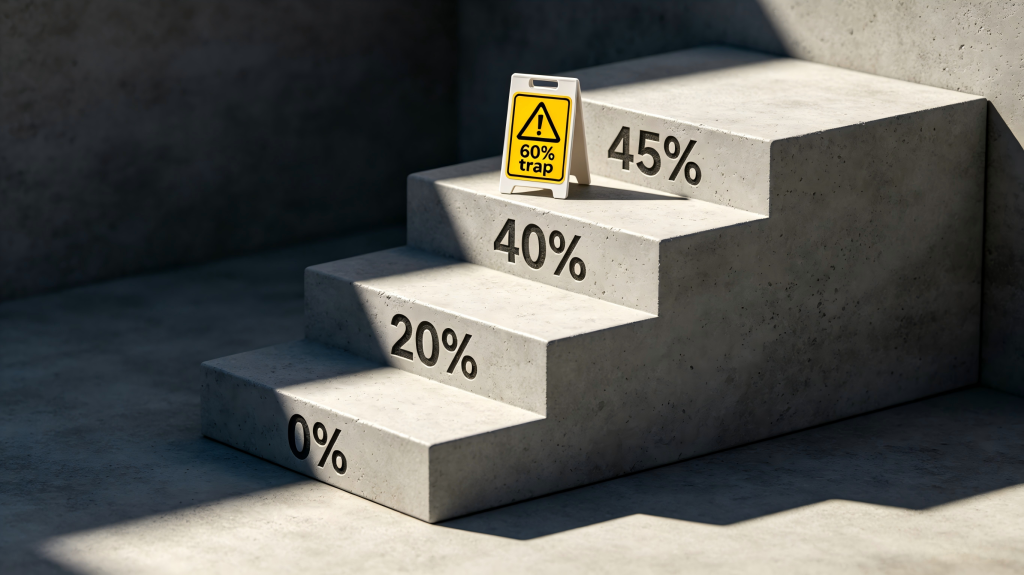
| Band | Taxable income | Rate (illustrative) |
|---|---|---|
| Basic rate | £0 – £37,700 | 20% |
| Higher rate | £37,701 – £125,140 | 40% |
| Additional rate | Over £125,140 | 45% |
Example: You earn £50,000 in 2026/27. Your Personal Allowance is £12,570. Taxable income = £37,430.
- First £37,700 at 20% = £7,540.
- Remainder £0 (since £37,430 is below £37,700) = £0.
Total Income Tax = £7,540.
Example – higher rate: You earn £60,000. Taxable income = £60,000 – £12,570 = £47,430.
- £37,700 at 20% = £7,540.
- £9,730 (£47,430 – £37,700) at 40% = £3,892.
Total = £11,432.
Note: These bands apply to England, Wales, and Northern Ireland. Scotland has different bands (but the principles are similar).
The Personal Allowance Taper (The 60% Trap)
If your “adjusted net income” exceeds £100,000, your Personal Allowance is reduced by £1 for every £2 of income above £100,000. Once your income reaches £125,140, your Personal Allowance is £0.
This creates an effective marginal tax rate of 60% on income between £100,000 and £125,140.
Example: You earn £110,000. Your Personal Allowance is reduced by (£10,000 / 2) = £5,000. So your allowance is £12,570 – £5,000 = £7,570. Your taxable income = £110,000 – £7,570 = £102,430.
- £37,700 at 20% = £7,540.
- £64,730 (£102,430 – £37,700) at 40% = £25,892.
Total tax = £33,432.
Now calculate the marginal rate on the extra £10,000 you earned above £100,000:
- Without the extra £10,000 (earning £100,000), tax would be approximately: Personal Allowance £12,570, taxable £87,430, tax = £7,540 (on first £37,700) + £49,730 × 40% = £7,540 + £19,892 = £27,432.
- With the extra £10,000, tax is £33,432 – an increase of £6,000.
- £6,000 tax on £10,000 extra income = 60% effective rate.
Why this matters: If you earn between £100,000 and £125,140, a pension contribution that brings your income below £100,000 is extremely valuable – it saves you 60% tax (40% income tax plus 20% from restoring the Personal Allowance). See article 11.
The High Income Child Benefit Charge (HICBC)
If you or your partner earn over £50,000 and receive Child Benefit, you must repay some or all of it through the HICBC. The charge is 1% of the Child Benefit for every £100 of income between £50,000 and £60,000. At £60,000+, you repay 100% of the Child Benefit.
But note: The charge is based on “adjusted net income” – which can be reduced by pension contributions and Gift Aid donations. A higher rate taxpayer earning £60,000 could contribute £10,000 to a pension, reducing adjusted net income to £50,000 and eliminating the charge entirely. See article 17.
National Insurance – A Separate Tax
National Insurance (NIC) is technically a different tax, but it is deducted from payslips alongside Income Tax. For employees, NIC is charged on earnings between the Primary Threshold (approx £12,570) and the Upper Earnings Limit (approx £50,270) at 12%. Earnings above £50,270 are charged at 2%. Self‑employed people pay Class 2 (a flat weekly rate) and Class 4 (6% on profits between approx £12,570 and £50,270, 2% above).
Important: Unlike Income Tax, NIC is calculated per pay period, not annually. If your income fluctuates, you may pay NIC in some months but not others.
Legal Reliefs That Reduce Your Tax Bill
Personal Allowance – already covered.
Marriage Allowance: Transfer £1,260 of Personal Allowance from a lower‑earning spouse to a higher‑earning spouse (basic rate only). Saves up to £252 tax per year. Apply via GOV.UK.
Pension contributions: Reduce your adjusted net income. A £100 gross contribution (£80 net for basic rate) reduces your taxable income by £100. For higher rate taxpayers, this also restores the Personal Allowance (if above £100k) and reduces the HICBC. The most powerful relief for many.
Gift Aid donations: Reduce your adjusted net income by the gross donation amount. Similar effect to pension contributions.
Professional subscriptions: If your employer requires you to be a member of a professional body (e.g., ACCA, Law Society, BMA), you can claim tax relief on the subscription fee (if not reimbursed). Claim via your tax code or Self Assessment.
Working from home: If your employer requires you to work from home (not just occasionally), you can claim tax relief of £6 per week (£312 per year) without receipts. Higher amounts if actual costs exceed £6 per week.
Uniform and tools: Tax relief on the cost of cleaning, repairing, or replacing a uniform or protective clothing. Claim via HMRC’s online portal.
Rent a Room Scheme: Earn up to £7,500 per year tax‑free by renting a furnished room in your main home.
Dividend and Savings Allowances
Personal Savings Allowance (PSA): Basic rate taxpayers can earn £1,000 in savings interest tax‑free; higher rate taxpayers £500; additional rate taxpayers £0.
Dividend Allowance: £500 tax‑free dividends per year (for illustration – check current). Above that, rates are 8.75% (basic), 33.75% (higher), 39.35% (additional).
If you exceed these allowances: The extra interest or dividends are added to your other income and taxed at your marginal rate. You do not need to file a tax return if you only exceed the PSA (HMRC will adjust your tax code) – but for dividends, you may need to file.
How to Check Your Tax Code
Your tax code appears on your payslip. The number (e.g., 1257L) indicates your Personal Allowance (1257 = £12,570). The letter indicates your situation:
- L – You are entitled to the standard Personal Allowance.
- M – You have received Marriage Allowance from your spouse.
- N – You have transferred Marriage Allowance to your spouse.
- T – Your tax code includes other adjustments (e.g., benefits in kind).
- K – Your deductions exceed your allowance (rare).
If your code is wrong: Log into your Personal Tax Account or call HMRC. Do not assume your employer can fix it – they use what HMRC sends.
When You Need to File a Self Assessment Return
You must file a Self Assessment return if:
- You are self‑employed with gross income over £1,000.
- Your income from savings, investments, or property is over £10,000 (or you have tax to pay on savings interest and HMRC does not collect it via your code).
- You earn over £100,000.
- You receive Child Benefit and you or your partner earn over £50,000.
- You have capital gains over the annual exempt amount.
- HMRC tells you to.
Even if you do not need to file, you may want to claim higher rate relief on pension contributions or Gift Aid – you can do this by writing to HMRC or via your Personal Tax Account.
Key Takeaways
- Personal Allowance £12,570 – you pay no tax on the first £12,570 of income.
- Basic rate (20%) up to £37,700 taxable income – higher rate (40%) above that to £125,140 – additional rate (45%) above £125,140.
- The 60% tax trap – between £100,000 and £125,140, the Personal Allowance tapers, creating a 60% effective marginal rate.
- Pension contributions – reduce adjusted net income, saving tax at your marginal rate and restoring allowances.
- Marriage Allowance, Gift Aid, professional subscriptions, WFH relief – claim what you are entitled to.
- Check your tax code – errors are common and can be corrected.
This article is for general information and educational purposes only. It does not constitute financial advice. Tax rules, allowances, and product terms may change. Always check with HMRC or an FCA-authorised adviser for your personal circumstances.